“Deep Cleaning vs. Regular Cleaning: What’s the Difference?”

If your dentist or periodontist has recommended a deep cleaning, you might be wondering how it differs from the regular cleanings you’re used to.

Regular Cleaning (Prophylaxis)

A regular dental cleaning is designed for patients with healthy gums. It focuses on removing plaque, tartar, and stains from above the gum line. This is typically done every 6 months to maintain oral hygiene and prevent gum disease.

Deep Cleaning (Scaling and Root Planing)

A deep cleaning is a non-surgical periodontal treatment for patients with early to moderate gum disease. It goes beyond the surface:

  • Scaling removes plaque and tartar from below the gum line.
  • Root planing smooths the tooth roots, helping the gums reattach and heal properly.

This process may be done over one or more visits and may require local anesthesia for comfort.

Why It Matters

Gum disease can lead to bone loss and even tooth loss if left untreated. Deep cleaning helps halt the progression and supports healing—it’s the first step in restoring gum health.

If you’ve been told you need a deep cleaning, don’t delay. Your gums are the foundation of your smile—let’s keep them strong.

Need to schedule an exam or have questions about gum treatment? Contact our office today.

Brampton Dentists, Best Dentist in Brampton, Brampton Dental office, Dental offices in Brampton,

Root Canal Treatment

Brampton Dentists, Dental Offices in Brampton, Root Canal Brampton,

Root canal treatment is necessary when the pulp (soft tissue inside your teeth containing blood vessels, nerves and connective tissue) becomes inflamed or diseased. During root canal treatment, your dentist or endodontist (a dentist who specializes in treating the insides of teeth) removes the diseased pulp. The pulp chamber and root canal(s) of the tooth are then cleaned and sealed. If the infected pulp is not removed, pain and swelling can result, and your tooth may have to be removed.

Causes of an infected pulp could include:

  • a deep cavity
  • repeated dental procedures
  • a cracked or broken tooth
  • injury to the tooth (even if there’s not a visible crack or chip)

If you continue to care for your teeth and gums your restored tooth could last a lifetime. However, regular checkups are necessary; a tooth without its nerve can still develop cavities or gum disease. Most of the time, a root canal is a relatively simple procedure with little or no discomfort involving one to three visits. Best of all, it can save your tooth and your smile. (ADA)

Dr. Elizabeth Dimovski – Brampton Dentists

905-458-6620

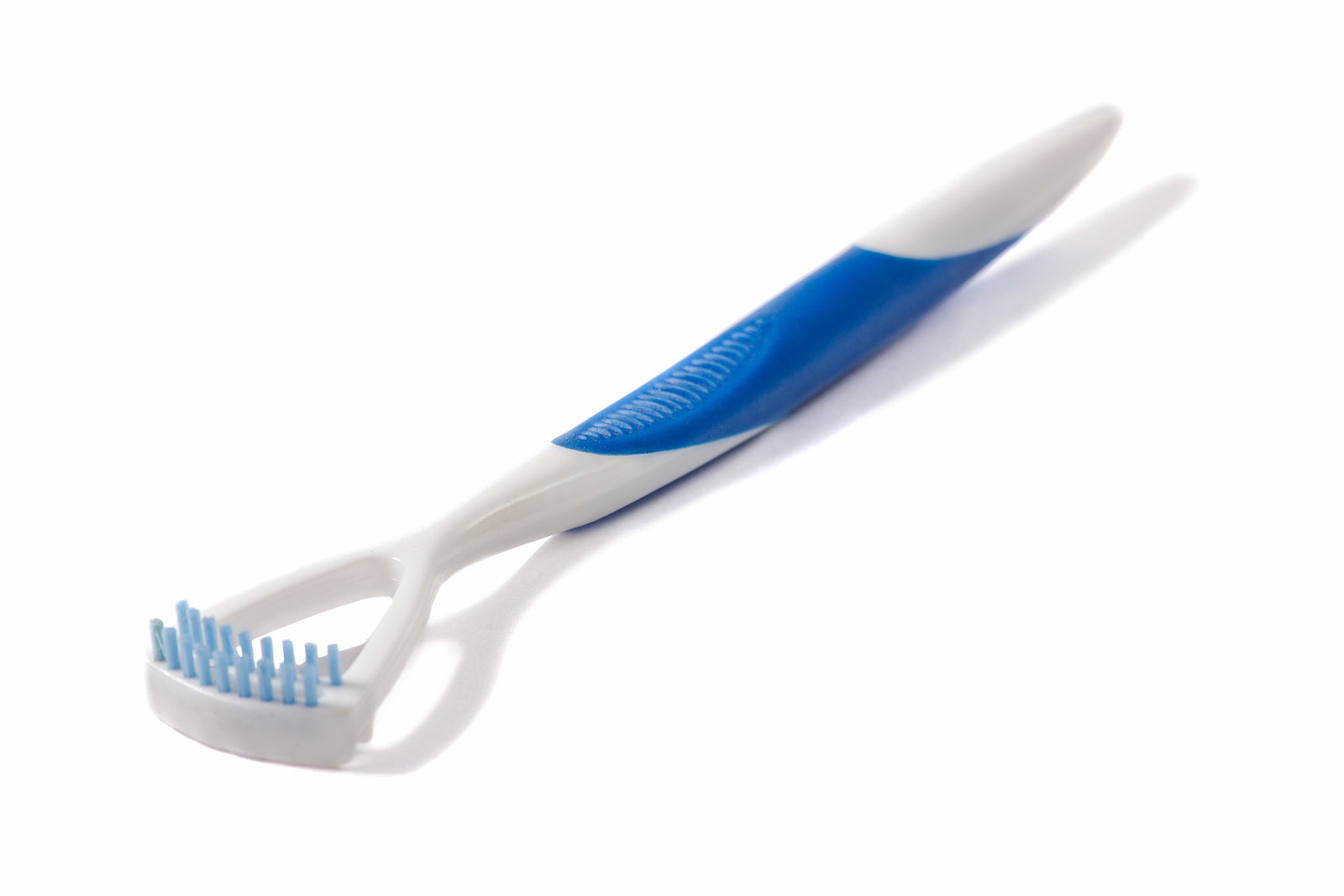
Do You Use a Tongue Scraper?

bigstock--164658467

A tongue scraper is a tool used to help clean your tongue. Although there’s no strong evidence that tongue scrapers are any more effective than regular brushing of the teeth and tongue, it may help curb bad breath. Tongue scrapers come in a variety of shapes and sizes, and work by starting at the back of the tongue and pulling the scraper forward. This removes any excess plaque and odor causing bacteria.

Possible causes of bad breath include diet, dry mouth, gum disease, tobacco use or simply bad oral hygiene. Good oral hygiene and regular dentist visits are essential to a healthy mouth.

Other tips for avoiding bad breath include:

  • Brushing your teeth for two minutes twice a day
  • Flossing once a day
  • Scheduling regular dental visits.

If you’re concerned about the cause of your bad breath, see your dentist.

Dr. Elizabeth Dimovski & Associates – We Protect Your Smile!

www.drelizabethdimovski.ca

905-458-6620

Alcohol and Your Smile!

Covid has made the holiday celebrations a little different for all of us. As studies have show an increase in alcohol consumption during the holiday season it is important to take steps in protecting your teeth and smile.

Here are some simple steps to prevent damage to your teeth after alcohol consumption.

  • Be sure to not over do it and when possible drink alcohol through a straw, as it will direct the alcohol to the back of the mouth staying away from the teeth.
  • Always drink water between and after alcoholic beverages.
  • Avoid fruit juice drinks.
  • Wait at least an hour before brushing your teeth after alcohol consumption.
  • And always use a soft bristle toothbrush.

These simple steps can help in protecting your teeth and your smile!

Brampton Dentist

Dr. Elizabeth Dimovski and Associates – We Protect Your Smile!

www.drelizabethdimovski.ca

905-458-6620

Are you nervous or anxious about your dental treatment?

Brampton Dentists, Top Dentist in Brampton, best dental treatment, Nitrous Oxide, Nervous Dental patients, Brampton Dental offices, Nitrous oxide also known as “laughing gas” is a safe and effective sedative agent that is mixed with oxygen and inhaled through a small mask that fits over your nose to help you relax during your periodontal treatment.

Nitrous oxide is one option we offer to help make you more comfortable during your periodontal treatment. It is not intended to put you to sleep. You will be able to hear and respond to requests, questions and directions. Your will be asked  to breathe normally through your nose, and within a few short minutes you should start to feel the effects. You may feel light-headed or a tingling in your arms and legs. Ultimately, you should feel calm and comfortable. The effects of nitrous oxide wear off soon after the mask is removed.

Talk to one of our dental professionals to find out whether nitrous oxide would be a good option for you.

Dr. Elizabeth Dimovski Dental Office

Dentists in Brampton

905-458-6620