
Book your complete exam, cleaning and complete your treatment by June 30th, 2015 and receive a FREE Oral B Rechargeable Toothbrush Or Crest Whitestrips 3D.

FREE ORAL B RECHARGEABLE TOOTHBRUSH OR CREST WHITESTRIPS 3D
This promotion is while supplies last! Please Note: All Balances must be cleared to receive your Free Rechargeable Toothbrush or Crest Whitestrips 3D (Not valid with any other offer)
Dr. Elizabeth Dimovski & Associates – We Protect Your Smile!
905-458-6620
Without an examination by your dentists early signs of oral cancer are difficult to detect.
 What is Oral Cancer?
Oral cancer refers to all cancers of the oral cavity, which includes the following:
- lips
- tongue
- teeth
- gums (gingiva)
- lining inside the lips and cheeks (labial mucosa and buccal mucosa)
- floor of the mouth
- roof of the mouth (palate)
- the area behind the wisdom teeth
Most oral cancers are located on the sides of the tongue, floor of the mouth and lips.
Oral cancer starts in the cells of the mouth. Normally these cells are quite resistant to damage, but repeated injury from smoking, alcohol or even friction may cause sores or painful areas where cancer can start.
Oral cancer symptoms include:
- a sore on the lip or in the mouth that does not heal
- a lump on the lip or in the mouth or throat
- a white or red patch on the gums, tongue or lining of the mouth
- unusual bleeding, pain or numbness in the mouth
- a sore throat that does not go away, or a feeling that something is caught in the throat
- difficulty or pain with chewing or swallowing
- swelling of the jaw that causes dentures to fit poorly or become uncomfortable
- a change in the voice and/or pain in the ear
| Your dentist does more than protect and care for your teeth, gums and smile — your dentist can also help keep you healthy.As oral health experts, dentists are in a unique position to help in the early detection of many medical conditions, including cancer.Dentists are trained in medicine so they recognize the relationships between oral and overall health. | |
| Most people see their dentist regularly, so your dentist is often the first health-care professional to have an opportunity to detect the many health conditions that affect your mouth. Many patients are not aware of the extent that a dental exam can play in disease prevention.Through the dental exam, your dentist can see if there are any abnormalities or changes in your mouth that might be indications of health problems, such as oral cancer or diabetes. At each visit, your dentist will conduct a medical history review and ask you about your current health.It’s important to answer these questions carefully. What you say can help your dentist alert you to potential health concerns that may require further investigation, diagnosis or treatment by a physician.
Without an examination by a dentist, most early signs of oral cancer are difficult to detect. If you notice a mouth sore or anything out of the ordinary that does not go away or heal after a couple of weeks, discuss it with your dentist. |
|
Risk Factors
- Smoking and chewing tobacco — particularly if combined with heavy alcohol consumption
- Heavy alcohol consumption— particularly if combined with smoking
- Excessive sun exposure— particularly to the lip
- Age— people over the age of 40 have a higher risk of developing oral cancer
- Gender— men are more susceptible than women to developing oral cancer. In the past, men had a 6:1 ratio of incidence of oral cancer compared to women. However; this ratio is narrowing and is now closer to a 2:1 ratio
- HPV— more research is emerging that connects human papillomavirus infection — especially HPV-16 — with oral cancers
- A diet low in fruits and vegetables— fruit and vegetables have a protective factor that is believed to reduce the risk for oral cancers
- See a dental professional for a regular dental exam
- Quitting (or reducing) your tobacco and alcohol use lowers your risk of developing oral cancer
- When you are outside and exposed to the sun, use lip balm with UV protection and wear a hat
- Eat a healthy diet rich in fruits and vegetables
- Brush and floss your teeth daily
The mouth has long been recognized as a mirror reflecting the health of the body. With regular visits to your dentist and good oral health routines, you will have lots to smile about.
- Ontario Dental Association
- Cancer Care Ontario
- Canadian Cancer Society – Oral Cancer
- Health Canada – Healthy Living: Oral Cancer
- Canadian Cancer Statistics 2013. Toronto: Canadian Cancer Society.
Dr. Elizabeth Dimovski & Associates – We Protect Your Smile!
Brampton Dentists www.drelizabethdimovski.ca
905-458-6620
Causes of Sensitive Teeth – Brampton Dentists*
Is the taste of ice cream or a sip of hot coffee sometimes a painful experience for you? Does brushing or flossing make you wince occasionally? If so, you may have sensitive teeth.
Possible causes include: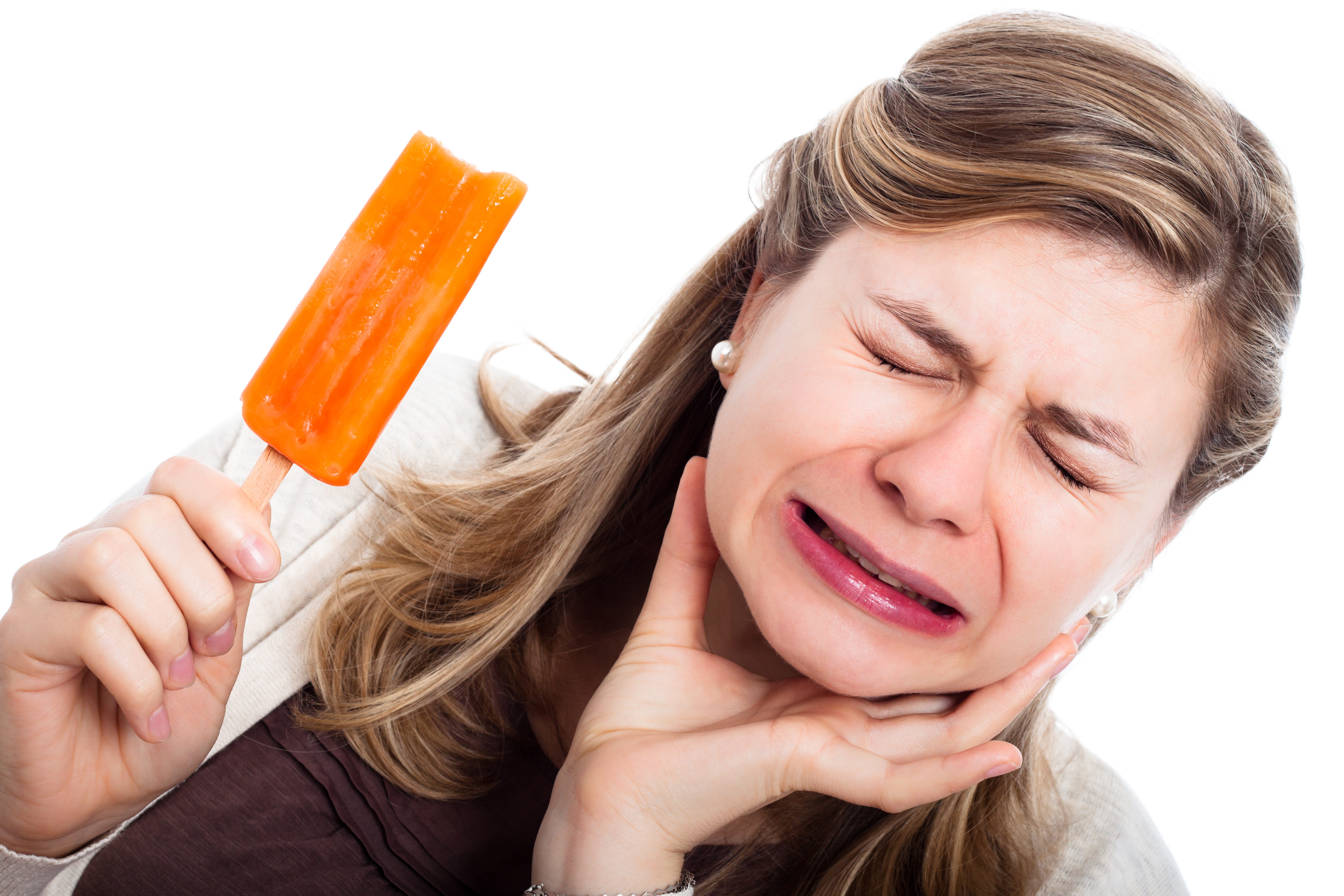
- Tooth decay (cavities)
- Fractured teeth
- Worn fillings
- Gum disease
- Worn tooth enamel
- Exposed tooth root
In healthy teeth, a layer of enamel protects the crowns of your teeth—the part above the gum line. Under the gum line a layer called cementum protects the tooth root. Underneath both the enamel and the cementum is dentin.
Dentin is less dense than enamel and cementum and contains microscopic tubules (small hollow tubes or canals). When dentin loses its protective covering of enamel or cementum these tubules allow heat and cold or acidic or sticky foods to reach the nerves and cells inside the tooth. Dentin may also be exposed when gums recede. The result can be hypersensitivity. (ADA)
Dr. Elizabeth Dimovski & Associates – We Protect Your Smile!
905-458-6620
HEALTHY GUMS MEANS A HEALTHY SMILE – Gum Measurements – Brampton Dentists

Periodontal, also known as gum or pocket measurement is an evaluation performed by a dental professional, which involves measuring the health of your gums and supporting bone structure for your teeth. Bone loss is first caused by an accumulation of plaque and bacteria around a tooth and if the bacterium isn’t removed properly it causes gum inflammation and in later stages, if left untreated, will eventually lead to bone loss.
A way of detecting periodontal disease is through taking periodontal measurements of each tooth at a dental visit. These measurements help us determine the overall health of the supporting structure of the teeth. A normal, healthy measurement will read from 1-3 mm and the deeper the reading the more severe the problem. To help treat moderate stages (4-6 mm) your hygienist may recommend a deeper cleaning with more frequent visits to help stop the effects of periodontitis. However, if more advanced stages are noted surgery may be needed with a referral to a periodontist (gum specialist).
Ways to help reduce periodontal measurements and maintain healthy gums:
– Brushing: Practicing proper oral hygiene daily, through brushing at least 2 times a day for at least 2 minutes.
– Flossing: Daily flossing is very important when it comes to gum health, because it goes between your teeth and under your gums to help reduce bacterial build-up where a toothbrush can’t reach.
– Eating a well-balanced diet.
– Maintaining regular dental check-ups and professional cleaning.
– Don’t smoke: Smoking increases your risk of periodontal disease.
Dr. Elizabeth Dimovski & Associates – We Protect Your Smile!
905-458-6620
GIVE YOUR TEETH A BREAK – HARD VS SOFT BRISTLE TOOTHBRUSH! Brampton Dentists
Using a hard bristle toothbrush is good for your teeth and oral health!
WRONG!
 It is very important when choosing a toothbrush we choose one with soft bristles. Brushing your teeth with a medium or hard bristle toothbrush damages the tooth enamel and gum tissue which can often lead to gum recession and abrasion of the enamel. The myth about a hard bristle toothbrush cleaning your teeth better is just wrong. A soft bristle toothbrush is a lot more flexible allowing the bristles to reach between your teeth and gums. It is also easier on the teeth to assure not causing damage. Give your teeth and gums a break and make sure you use a soft bristle tooth brush!
Soft brushes are designed to be gentle on your teeth and gums, but don’t throw those hard brushes out , they are good for ring around the collar and cleaning around faucets and little corners!
Dr. Elizabeth Dimovski & Associates – We Protect Your Smile!
905-458-6620
 Dr. Elizabeth Dimovski - Brampton Dentists