
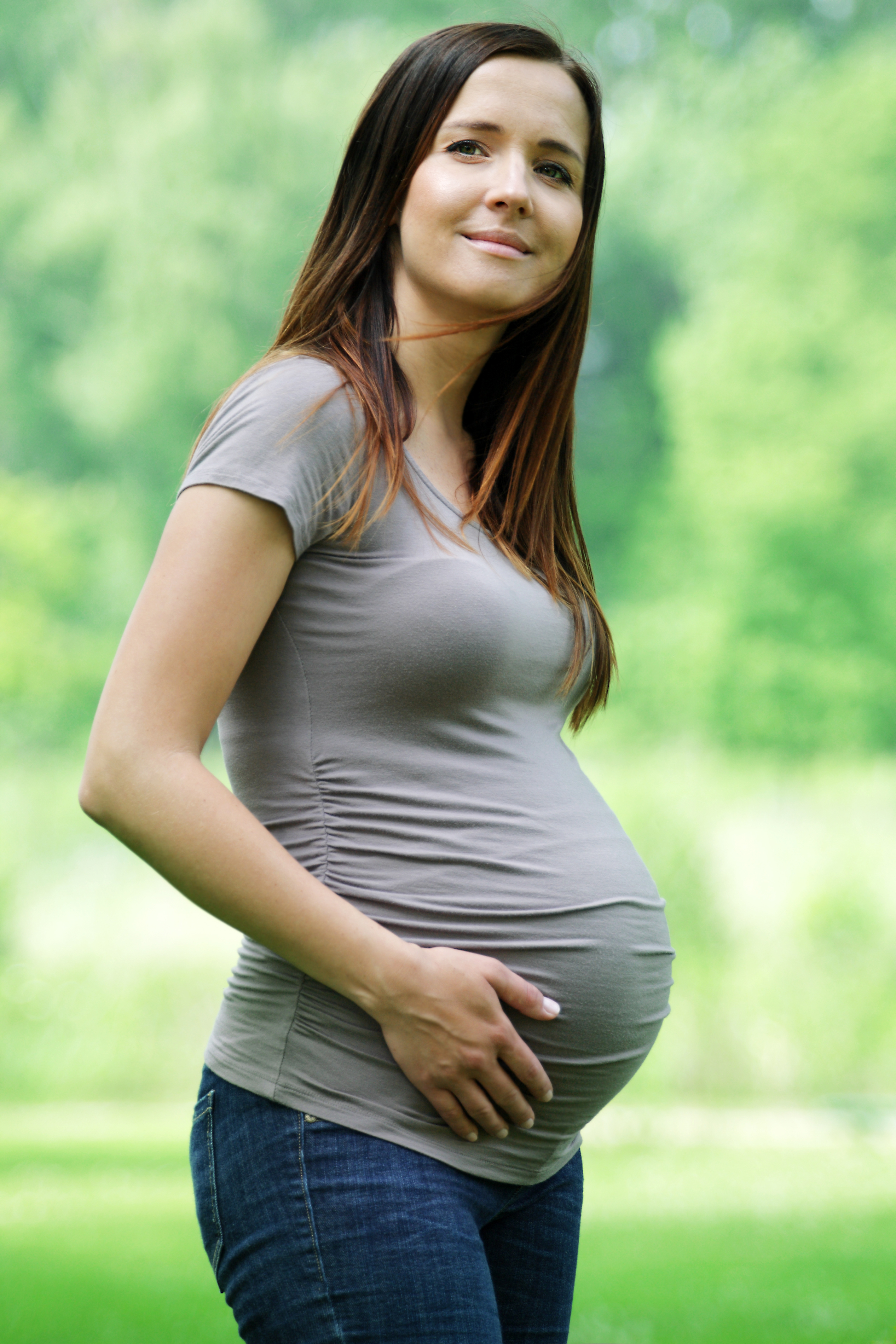
 There may be an increased risk of premature delivery for expecting mothers with gum disease. Expecting mothers with gum disease, should be aware that the bacteria in the mouth increase the levels of PGE2 (The naturally occurring prostaglandin E2, Known in medicine as dinoprostone. It has important effects in labour (softens cervix and causes uterine contraction) and also stimulates osteoblasts to release factors that stimulate bone resorption by osteoclasts.) When the PGE2 level increases in the 9th month of pregnancy labour starts. In mothers with serious gum disease the level of PGE2 rises to soon and early labour can happen. Hormones during pregnancy can aggravate existing gum disease, you may have more bleeding and swelling in the gums. Your hygienist may recommend more frequent cleanings. It is important to visit us regularly and to continue with good home oral care.
For more information please feel free to contact one of our highly trained professionals.
Dr. Elizabeth Dimovski and Associates – We Protect Your Smile!
905-458-6620

 Dr. Elizabeth Dimovski - Brampton Dentists