“Deep Cleaning vs. Regular Cleaning: What’s the Difference?”

If your dentist or periodontist has recommended a deep cleaning, you might be wondering how it differs from the regular cleanings you’re used to.

Regular Cleaning (Prophylaxis)

A regular dental cleaning is designed for patients with healthy gums. It focuses on removing plaque, tartar, and stains from above the gum line. This is typically done every 6 months to maintain oral hygiene and prevent gum disease.

Deep Cleaning (Scaling and Root Planing)

A deep cleaning is a non-surgical periodontal treatment for patients with early to moderate gum disease. It goes beyond the surface:

  • Scaling removes plaque and tartar from below the gum line.
  • Root planing smooths the tooth roots, helping the gums reattach and heal properly.

This process may be done over one or more visits and may require local anesthesia for comfort.

Why It Matters

Gum disease can lead to bone loss and even tooth loss if left untreated. Deep cleaning helps halt the progression and supports healing—it’s the first step in restoring gum health.

If you’ve been told you need a deep cleaning, don’t delay. Your gums are the foundation of your smile—let’s keep them strong.

Need to schedule an exam or have questions about gum treatment? Contact our office today.

Brampton Dentists, Best Dentist in Brampton, Brampton Dental office, Dental offices in Brampton,

Root Canal Treatment

Brampton Dentists, Dental Offices in Brampton, Root Canal Brampton,

Root canal treatment is necessary when the pulp (soft tissue inside your teeth containing blood vessels, nerves and connective tissue) becomes inflamed or diseased. During root canal treatment, your dentist or endodontist (a dentist who specializes in treating the insides of teeth) removes the diseased pulp. The pulp chamber and root canal(s) of the tooth are then cleaned and sealed. If the infected pulp is not removed, pain and swelling can result, and your tooth may have to be removed.

Causes of an infected pulp could include:

  • a deep cavity
  • repeated dental procedures
  • a cracked or broken tooth
  • injury to the tooth (even if there’s not a visible crack or chip)

If you continue to care for your teeth and gums your restored tooth could last a lifetime. However, regular checkups are necessary; a tooth without its nerve can still develop cavities or gum disease. Most of the time, a root canal is a relatively simple procedure with little or no discomfort involving one to three visits. Best of all, it can save your tooth and your smile. (ADA)

Dr. Elizabeth Dimovski – Brampton Dentists

905-458-6620

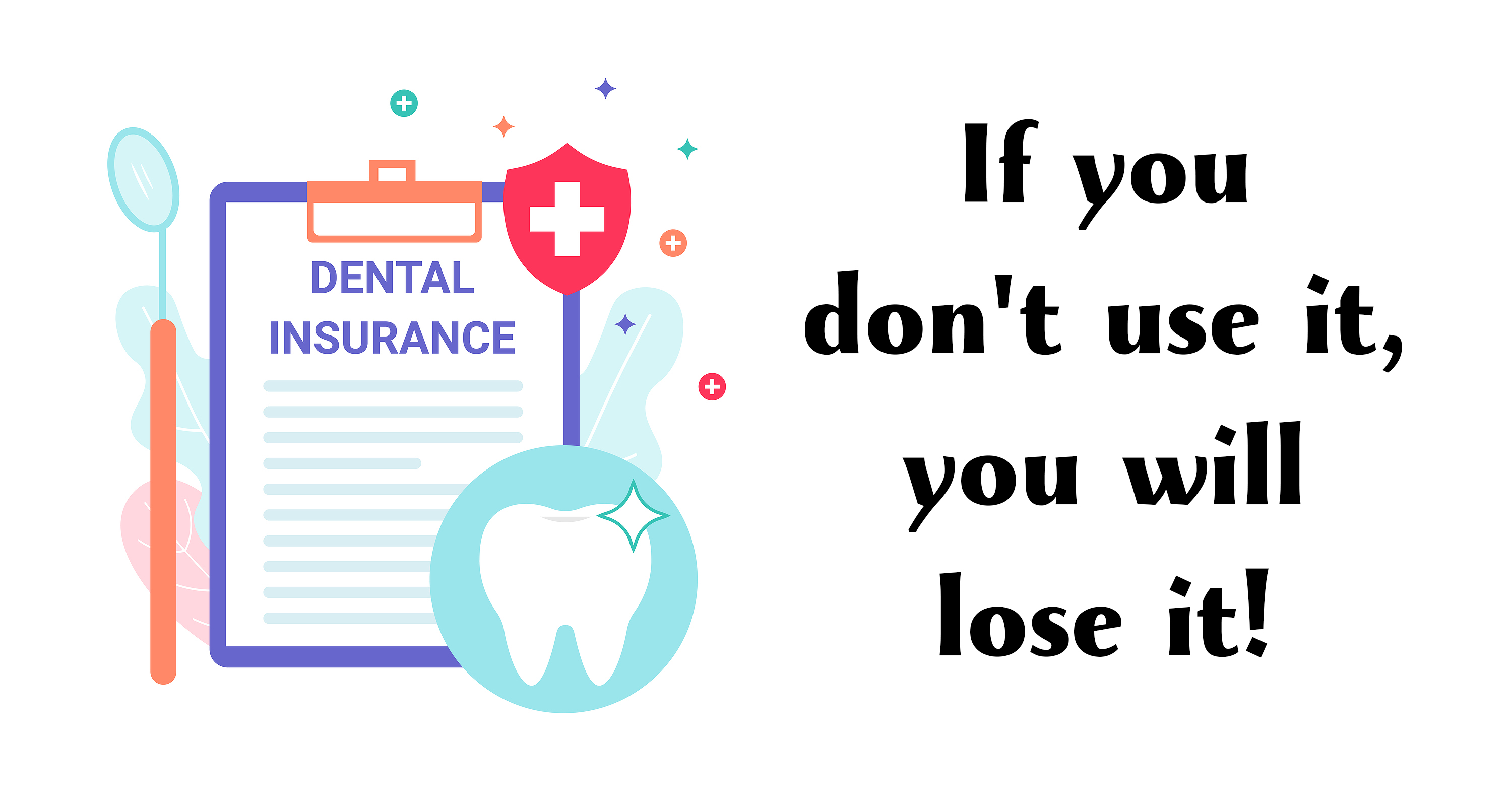
If you don’t use it, you will lose it! DENTAL INSURANCE

Have you been putting off your dental treatment?

The end of the year is fast approaching and due to circumstances, many of us have been putting off our dental cleanings, fillings, crowns, bridges, or even getting that impression done for a night guard. Each year we receive an individual dollar amount maximum from our insurance company. If this amount is not used, by the end of the year, it does not roll over to the next and is unfortunately lost. Be sure to check with your dental office to find out if you have any outstanding dental work so that you can get the best out of your dental coverage.

Remember: If you don’t use it, you will lose it!

Best Dentist in Brampton, Brampton Dental Care, Dental insurance,

Dr. Elizabeth Dimovski Dental Office

Brampton Dentist
905-458-6620


Continue reading

Are implants right for you?

If you are self-conscious because you have missing teeth, wear dentures that are uncomfortable or don’t want to have good tooth structure removed to make a bridge, talk to your dentist/periodontists to see if dental implants are an option for you.

Dental implants are a popular and effective way to replace missing teeth and are designed to blend in with your other teeth. They are an excellent long-term option for restoring your smile. In fact, the development and use of implants is one of the biggest advances in dentistry in the past 40 years. Dental implants are made up of titanium and other materials that are compatible with the human body. They are posts that are surgically placed in the upper or lower jaw, where they function as a sturdy anchor for replacement teeth.

Brampton Dentists, Dentists in Brampton, Brampton Dental Offices, Dental Implants Brampton,

Most patients find that a dental implant is secure, stable and a good replacement for their own tooth. There are generally three phases to getting an implant:

  • First, the dentist surgically places the implant into the jawbone. Your dentist may recommend a diet of soft foods, cold foods and warm soup during the healing process.
  • Next, the bone around the implant heals in a process called osseointegration. What makes an implant so strong is that the bone actually grows around it and holds it in place. Osseointegration means “combines with the bone” and takes time. Some patients might need to wait until the implant is completely integrated, up to several months, before replacement teeth can be attached to the implant. Other patients can have the implants and replacement teeth placed all in one visit.
  • Finally, it’s time for the placement of the artificial tooth/teeth. For a single tooth implant, your dentist will customize a new tooth for you, called a dental crown. The crown will be based on size, shape, colour and fit, and will be designed to blend in with your other teeth. If you are replacing more than a single tooth, custom-made bridges or dentures will be made to fit your mouth and your implants. (Note: The replacement teeth usually take some time to make. In the meantime, your dentist may give you a temporary crown, bridge or denture to help you eat and speak normally until the permanent replacement is ready.)

If you are interested in dental implants, it’s a good idea to discuss it carefully with your dentist/periodontist first. If you are in good general health this treatment may be an option for you. In fact, your health is more of a factor than your age. You may be medically evaluated by a physician before any implant surgery is scheduled.

Chronic illnesses, such as diabetes or leukemia, may interfere with healing after surgery. Patients with these issues may not be good candidates for implants. Using tobacco can also slow healing. (ADA)

Dr. Elizabeth Dimovski and Associates – Brampton Dentists

2 Philosopher’s Trail, Unit #1 Brampton Ontario, L6S 4C9

Phone 905-458-6620

e-mail dr.elizabeth.dimovski@bellnet.ca


Do you have a white line on the inside of your cheek?

Although it may scare some when they first see it, a white line inside the cheek, called Oral Lichen Planus, is a temporary condition that may last up to 10 years. It most often affects adults between the age of 30 and 60, more common in women and is not contagious.

Oral Lichen Planus comes from the lace-like pattern of fine white lines that appear on the inside of the cheeks, gums, and tongue, usually not requiring treatment. It is asymptomatic, and does not hurt.

As the exact cause of Oral Lichen Planus not know, research suggests that the immune cells, which normally protect us by destroying bacteria or viruses, start attacking the skin or the lining of the mouth.

While there is no “cure” for Lichen Planus, it is a manageable condition. If you think you might suffer from Lichen Planus, you should talk with your dentist or doctor. They can determine what treatment (if any) is needed.

Dental Offices in Brampton, Brampton Dentists, Dentists in Brampton, Dentist near me,

For more information visit ADA.

Dr. Elizabeth Dimovski and Associates – We Protect Your Smile!

Dentists in Brampton

905-458-6620