“Deep Cleaning vs. Regular Cleaning: What’s the Difference?”

If your dentist or periodontist has recommended a deep cleaning, you might be wondering how it differs from the regular cleanings you’re used to.

Regular Cleaning (Prophylaxis)

A regular dental cleaning is designed for patients with healthy gums. It focuses on removing plaque, tartar, and stains from above the gum line. This is typically done every 6 months to maintain oral hygiene and prevent gum disease.

Deep Cleaning (Scaling and Root Planing)

A deep cleaning is a non-surgical periodontal treatment for patients with early to moderate gum disease. It goes beyond the surface:

  • Scaling removes plaque and tartar from below the gum line.
  • Root planing smooths the tooth roots, helping the gums reattach and heal properly.

This process may be done over one or more visits and may require local anesthesia for comfort.

Why It Matters

Gum disease can lead to bone loss and even tooth loss if left untreated. Deep cleaning helps halt the progression and supports healing—it’s the first step in restoring gum health.

If you’ve been told you need a deep cleaning, don’t delay. Your gums are the foundation of your smile—let’s keep them strong.

Need to schedule an exam or have questions about gum treatment? Contact our office today.

Brampton Dentists, Best Dentist in Brampton, Brampton Dental office, Dental offices in Brampton,

Protect your teeth and your smile! Information on mouth guards.

Best Dentist in Brampton, Brampton Dental office, Brampton Dentists,

Mouth guards, also called mouth protectors, help cushion a blow to the face, minimizing the risk of broken teeth and injuries to your lips, tongue, face or jaw. They typically cover the upper teeth and are a great way to protect the soft tissues of your tongue, lips and cheek lining. Knowing how to prevent injuries like these is especially important if you participate in organized sports or other recreational activities.

When it comes to protecting your mouth, a mouth guard is an essential piece of athletic gear that should be part of your standard equipment from an early age. In fact, studies show that athletes are 60 times more likely to suffer harm to the teeth if they’re not wearing a mouth guard. While collision and contact sports, such as boxing, are higher-risk sports for the mouth, you can experience a dental injury in non-contact activities too, such as gymnastics and skating

There are three types of mouthguards:

  • Custom-fitted. These are made by your dentist for you personally. They are more expensive than the other versions, but because they are customized, usually offer the best fit.
  • Stock. These are inexpensive and come pre-formed, ready to wear. Unfortunately, they often don’t fit very well. They can be bulky and can make breathing and talking difficult.
  • Boil and bite. These mouth protectors can be bought at many sporting goods stores and drugstores and may offer a better fit than stock mouth protectors. They are first softened in water (boiled), then inserted and allowed to adapt to the shape of your mouth.
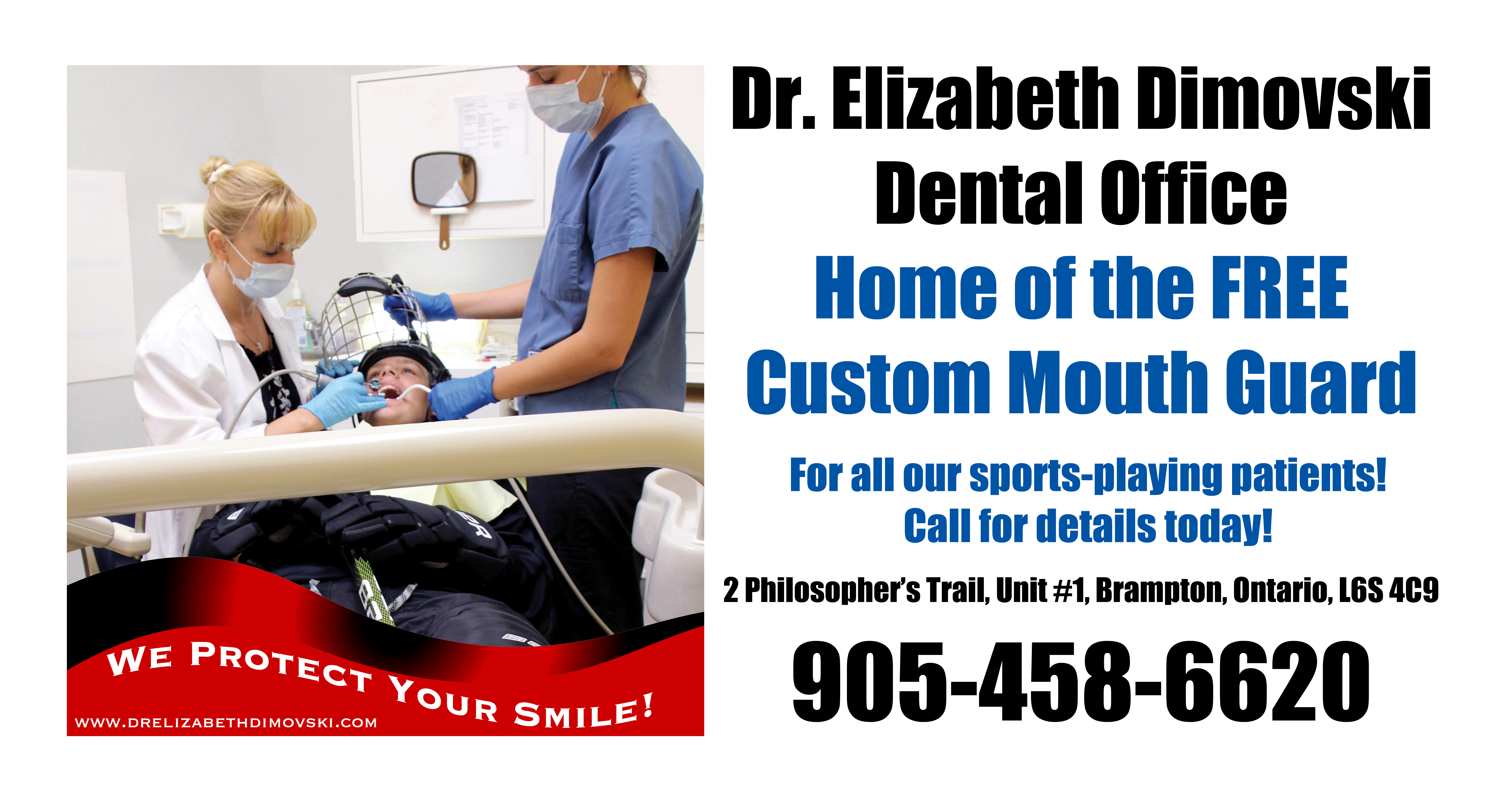
Mouth Guards, Brampton dentists, Hockey protection, lacross, Best mouth Guards,

The best mouth guard is one that has been custom made for your mouth by your dentist. However, if you can’t afford a custom-fitted mouth guard, you should still wear a stock mouth guard or a boil-and-bite mouth guard from the drugstore. If you wear braces or another fixed dental appliance on your lower jaw, your dentist may suggest a mouth protector for these teeth as well.

A properly fitted mouth guard may be especially important for people who wear braces or have fixed bridge work. A blow to the face could damage the brackets or other fixed orthodontic appliances. A mouth guard also provides a barrier between the braces and your cheek or lips, limiting the risk of soft tissue injuries.

Talk to your dentist or orthodontist about selecting a mouth guard that will provide the best protection. Although mouth guards typically only cover the upper teeth, your dentist or orthodontist may suggest that you use a mouth guard on the lower teeth if you have braces on these teeth too.

If you have a retainer or other removable appliance, do not wear it during any contact sports

Some tips for caring for your mouth guard:

  • rinse before and after each use or brush with a toothbrush and toothpaste
  • occasionally clean the mouth guard in cool, soapy water and rinse thoroughly
  • transport the mouthguard in a sturdy container that has vents
  • never leave the mouth guard in the sun or in hot water
  • check for wear and tear to see if it needs replacing

Dr. Elizabeth Dimovski & Associates – We Protect Your Smile!

905-458-6620

Team Dimovski Gone Country – Year End Party

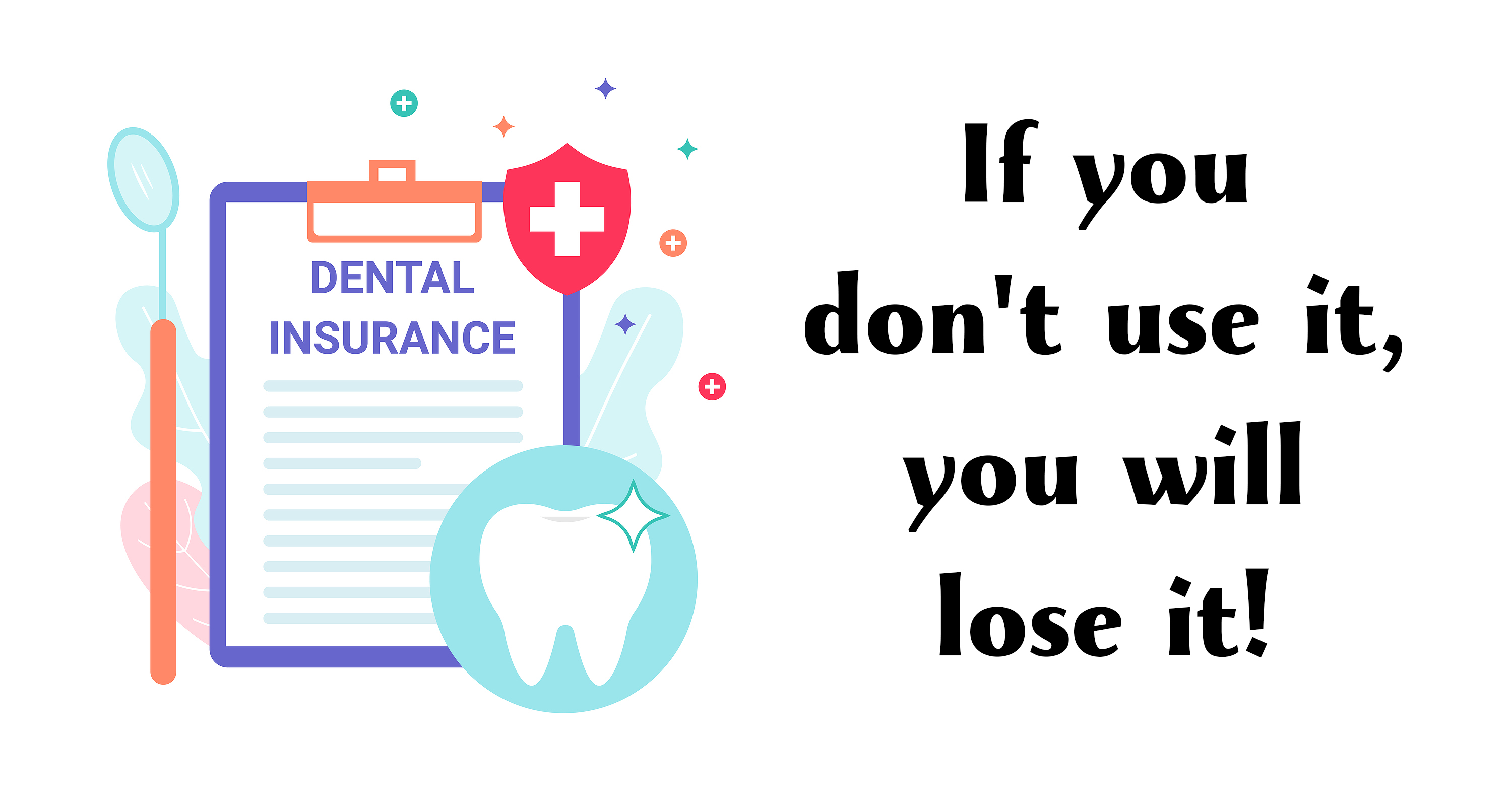
If you don’t use it, you will lose it! DENTAL INSURANCE

Have you been putting off your dental treatment?

The end of the year is fast approaching and due to circumstances, many of us have been putting off our dental cleanings, fillings, crowns, bridges, or even getting that impression done for a night guard. Each year we receive an individual dollar amount maximum from our insurance company. If this amount is not used, by the end of the year, it does not roll over to the next and is unfortunately lost. Be sure to check with your dental office to find out if you have any outstanding dental work so that you can get the best out of your dental coverage.

Remember: If you don’t use it, you will lose it!

Best Dentist in Brampton, Brampton Dental Care, Dental insurance,

Dr. Elizabeth Dimovski Dental Office

Brampton Dentist
905-458-6620

 

Continue reading

Are implants right for you?

If you are self-conscious because you have missing teeth, wear dentures that are uncomfortable or don’t want to have good tooth structure removed to make a bridge, talk to your dentist/periodontists to see if dental implants are an option for you.

Dental implants are a popular and effective way to replace missing teeth and are designed to blend in with your other teeth. They are an excellent long-term option for restoring your smile. In fact, the development and use of implants is one of the biggest advances in dentistry in the past 40 years. Dental implants are made up of titanium and other materials that are compatible with the human body. They are posts that are surgically placed in the upper or lower jaw, where they function as a sturdy anchor for replacement teeth.

Brampton Dentists, Dentists in Brampton, Brampton Dental Offices, Dental Implants Brampton,

Most patients find that a dental implant is secure, stable and a good replacement for their own tooth. There are generally three phases to getting an implant:

  • First, the dentist surgically places the implant into the jawbone. Your dentist may recommend a diet of soft foods, cold foods and warm soup during the healing process.
  • Next, the bone around the implant heals in a process called osseointegration. What makes an implant so strong is that the bone actually grows around it and holds it in place. Osseointegration means “combines with the bone” and takes time. Some patients might need to wait until the implant is completely integrated, up to several months, before replacement teeth can be attached to the implant. Other patients can have the implants and replacement teeth placed all in one visit.
  • Finally, it’s time for the placement of the artificial tooth/teeth. For a single tooth implant, your dentist will customize a new tooth for you, called a dental crown. The crown will be based on size, shape, colour and fit, and will be designed to blend in with your other teeth. If you are replacing more than a single tooth, custom-made bridges or dentures will be made to fit your mouth and your implants. (Note: The replacement teeth usually take some time to make. In the meantime, your dentist may give you a temporary crown, bridge or denture to help you eat and speak normally until the permanent replacement is ready.)

If you are interested in dental implants, it’s a good idea to discuss it carefully with your dentist/periodontist first. If you are in good general health this treatment may be an option for you. In fact, your health is more of a factor than your age. You may be medically evaluated by a physician before any implant surgery is scheduled.

Chronic illnesses, such as diabetes or leukemia, may interfere with healing after surgery. Patients with these issues may not be good candidates for implants. Using tobacco can also slow healing. (ADA)

Dr. Elizabeth Dimovski and Associates – Brampton Dentists

2 Philosopher’s Trail, Unit #1 Brampton Ontario, L6S 4C9

Phone 905-458-6620

e-mail dr.elizabeth.dimovski@bellnet.ca