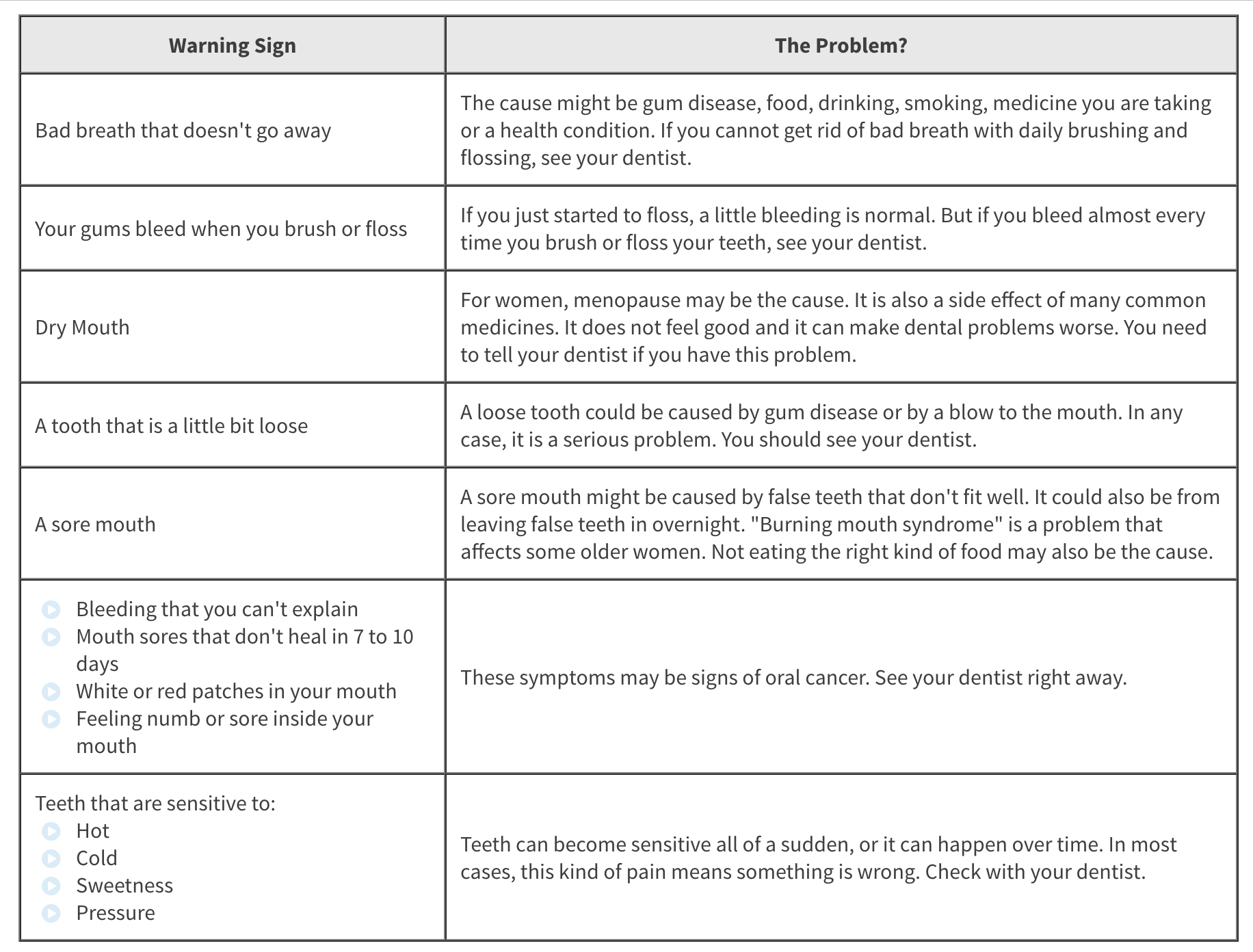
Information as per the Canadian Dental Association
Dr. Elizabeth Dimovski and Associates – Dentists in Brampton
905-458-6620

Information as per the Canadian Dental Association
Dr. Elizabeth Dimovski and Associates – Dentists in Brampton
905-458-6620
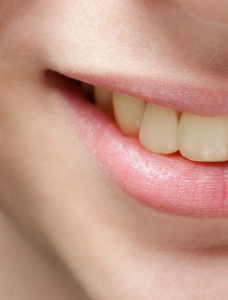 Have you noticed your teeth change colour ….. going from white to not so bright?
There are many reason teeth can change colour or get stained. From the foods consumed, and trauma to medication, age and visiting the dentist regularly for dental cleanings.
Food and Drinks
Certain foods and drinks have intense colour pigments that attach to the white outer part of the tooth (enamel) causing colour change. Such foods and drinks are: Coffee, tea, red wine, candy and foods containing colour.
Tobacco
Tar and nicotine create stains. Tar is naturally dark and although nicotine is colourless when mixed with oxygen it turns into a yellowish surface-staining substance.
Age
The enamel of the tooth is white however the layer under the enamel, called dentin, is yellowish. With age, as the enamel gets thiner, more of the yellowish dentin shows through.
Trauma
If you have hit your tooth you may notice it get darker as a reaction to the injury, by laying down more dentin.
Medication
Certain medications can also cause teeth to change colour and darken. Be sure to speak to your dentist if you have concerns that the medication you are taking are causing your teeth to change colour.
The best way to keep your teeth white is to brush twice a day, floss daily, see your dentist for regular checkups and professional cleanings, and limit stain-causing foods and habits. However if you feel your teeth can use a little whitening help, there are a few options you may want to consider:
Chair-Side Bleaching – usually takes about 2 hours. A shield (or rubber dam) protects your gums from the bleaching agent (usually a form or hydrogen peroxide) which is “painted” onto your discoloured teeth and activated with heat or high-intensity light.
Take-Home Bleaching – is done by you at home. You wear a custom-made tray with special bleaching gel (provided by your dentist) for a period of time each day over a number of weeks. You may also use Crest Whitestrips Supreme which can be purchased at our office.
It’s important to know that not everyone’s teeth will “whiten” the same. It depends on the number of teeth involved and the severity of discolouration. Over-the-counter, at-home whiteners are not recommended because they may cause problems associated with over exposing gum tissues to the active whitening agent. Any bleaching treatment should be done under your dentist’s supervision.
Dr. Elizabeth Dimovski Brampton Dental Office
905-458-6620
 Thumbsucking is a natural reflex for children. Sucking on thumbs, fingers, pacifiers or other objects may make babies feel secure and happy and help them learn about their world.
Young children may also suck to soothe themselves and help them fall asleep.
After permanent teeth come in, sucking may cause problems with the proper growth of the mouth and alignment of the teeth. It can also cause changes in the roof of the mouth.
Pacifiers can affect the teeth essentially the same ways as sucking fingers and thumbs, but it is often an easier habit to break.
The intensity of the sucking is a factor that determines whether or not dental problems may result. If children rest their thumbs passively in their mouths, they are less likely to have difficulty than those who vigorously suck their thumbs. Some aggressive thumbsuckers may develop problems with their baby (primary) teeth.
Children usually stop sucking between the ages of two and four years old, or by the time the permanent front teeth are ready to erupt. If you notice changes in your child’s primary teeth, or are concerned about your child’s thumbsucking consult your dentist.
If these tips don’t work, remind the child of their habit by bandaging the thumb or putting a sock on the hand at night. Your dentist or pediatrician may prescribe a bitter medication to coat the thumb or the use of a mouth appliance.
Information as per the American Dental Association https://www.mouthhealthy.org/en/az-topics/t/thumbsucking
2 Philosopher’s Trail, Unit 1, Brampton, Ontario L6S 4C9

We have three different whitening systems and they are all 50% off for the month of December 2018 and January 2019. Be sure to contact one of our dental professionals for more information.
The best way to keep your teeth white is to brush twice a day, floss daily, see your dentist for regular checkups and professional cleanings, and limit stain-causing foods and habits. These include: tobacco, certain foods and beverages (such as coffee, tea and berries), some drugs (such as tetracycline), or trauma to a tooth. As well, your teeth may become stained or discolored naturally as you age. Your dentist can give you the best advice about whitening your teeth.
HERE’S HOW IT’S DONE:
Chair-side Bleaching – usually takes about 30 to 60 minutes and one to three visits to the dental office. A shield (or rubber dam) protects your gums from the bleaching agent (usually a form or hydrogen peroxide) which is “painted” onto your discolored teeth and activated with heat or high-intensity light.
Mouth-guard Bleaching – is done by you at home. You wear a custom-made mouth-guard with special bleaching gel (provided by your dentist) for a period of time each day, or overnight, over a number of weeks.
It’s important to know that not everyone’s teeth will “whiten” the same. It depends on the number of teeth involved and the severity of discoloration. Over-the-counter, at-home whiteners are not recommended because they may cause problems associated with over exposing gum tissues to the active whitening agent. Any bleaching treatment should be done under your dentist’s supervision.
Information as per the Ontario Dental Association.
We have three different whitening systems and they are all 50% off for the month of December 2018 and January 2019. Be sure to contact one of our dental professionals for more information.
 Scaling and root planing is a teeth cleaning above and below the gum-line all the way down to the bottom of the pockets of the teeth. The scaling part is when your dentist or hygienist removes all the plaque and tartar from your teeth and the root planing part is the smoothing out of your teeth roots to help your gums reattach to your teeth. For some, this deep cleaning, may take more than one visit to complete and may require a local anesthetic.
It is normal to have tooth sensitivity for up to a week as the gums are healing around the teeth after a deep dental cleaning. Your gums also may also be swollen, feel tender and bleed.
Your dentist periodontist will also schedule a follow up visit to see how your gums have healed and measure the depth of your pockets. If they have gotten deeper, more treatment may be needed.
Good dental care at home is essential to help keep your teeth and gums healthy. Brush your teeth twice a day with a soft brush, clean between your teeth daily, eat a balanced diet, avoid using tobacco and see your dentist regularly.
Dr. Elizabeth Dimovski & Associates – We Protect Your Smile!
http://www.drelizabethdimovski.ca
905-458-6620
 Dr. Elizabeth Dimovski - Brampton Dentists